
No Workplace for Men
New Sexual Harassment Laws will Encourage Allegations


The Worker Protection Act, a new law brought in by the UK government, mandates that all employers must now conduct risk assessments aimed at preventing sexual harassment in the workplace. This means that, regardless of whether there have been any incidents of sexual harassment, employers have a positive duty to prevent it from happening.
How exactly is an employer supposed to do this? For a start, given the definition of sexual harassment is extremely vague, it is not even clear what they would be trying to prevent. Sexual harassment can include any unwanted behaviour of a sexual nature that makes someone feel uncomfortable, humiliated, or offended. This could be sexual comments, sexual jokes, staring, unwanted calls, unwanted touching of any kind, or the displaying of sexual content.
It is not hard to see how the Worker Protection Act can be misinterpreted or used to punish workers for a wrong turn of phrase (“alright, love”), a pat on a shoulder, or an accidental use of social media. Imagine a man making an internal phone call to a female colleague to ask her several questions. Following the call he realises he needs to ask her a further question. Upon calling her she screams down the phone, “why are you calling me again?” The allegation is that he made the further ‘unwanted’ call on purpose to sexually harass her.
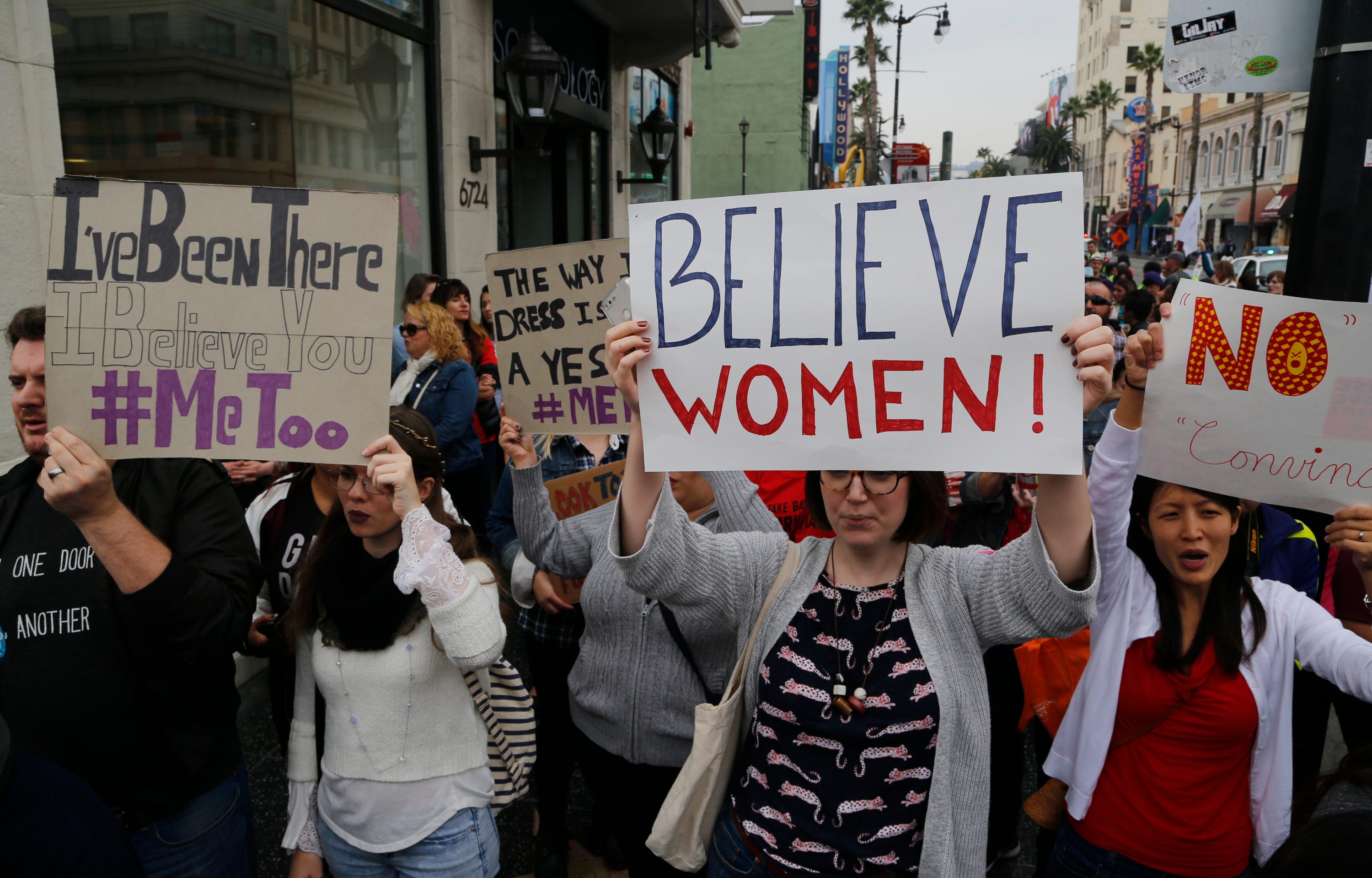
This new law has clearly been designed to be used against men. Of course, you have to read between the lines to realise this. Technically, anyone can experience sexual harassment and anyone can be the perpetrator of it. However, given most perpetrators of serious sexual crimes are men, this law will inevitably contain an inbuilt assumption that men are the problem. It will be men’s behaviour watched, controlled, and monitored. There was a movement to ‘believe women’ in relation to sexual harassment allegations. There wasn’t an equivalent movement encouraging people to believe men who claim to be wrongly accused.
So, what should an employer do to prevent men sexually harassing women, or rather what should an employer do to prevent allegations of sexual harassment? Should they divide the workplace by sex, and have males and females in separate rooms? Should they make sure the female employees aren’t left alone in a room with a man? They could run into trouble pretty quickly as this may breach the UK Equality Act and constitute unlawful discrimination. Women could claim to have been treated differently and discriminated. Employers are, therefore, being put in an impossible position: do they break one law in favour of another? If employers want to prevent allegations of sexual harassment without falling foul of discrimination laws, then all behaviour would have to be monitored equally and nobody would be able to be in a room alone with anyone. Is this what we really want from a working environment?
Moreover, what about work colleagues who, in their private life, are dating or are married? Given that sexual harassment claims can, and often do, come from women against men they are dating or married to, probably best employers should keep an eye on their couples in the workplace. This could lead to a situation where employers need to intervene in a marriage, break up, or lover’s argument, to fulfil their duty to prevent sexual harassment.
If this wasn’t tyrannical and dystopian enough, employers are now required to take reasonable steps to prevent sexual harassment not only by their workers but by third parties too. The guidance gives examples of third parties being clients, customers, delegates at a conference, and even regular members of the public. For example, it would be a pub landlord’s duty to take steps to ensure a barmaid does not overhear a conversation by those enjoying a drink she might interpret as sexually harassing or offensive.
Here’s another problem: how exactly do we define a workplace? Nowadays, a workplace can be a pub, cafe, bedroom, or kitchen table. What if two colleagues, man and a woman, meet to discuss work in a restaurant or at home? How will allegations of sexual harassment be prevented or dealt with then? What about a married woman who works from home? Would it be the duty of the employer to prevent sexual harassment from her husband?
In short, the introduction of the Worker Protection Act means that men are going to have to be even more careful about what they say, who they meet with, and where they meet, all in an attempt to limit any potential allegations of wrongdoing. Given that an entire career can be destroyed by allegations of sexual harassment, men will now enter the workplace with a sword of Damocles hanging over their head as their behaviour is increasingly controlled and monitored.
Really interesting read.
Work (was back in the day) actually a good place to find a wife or husband.
Far better than Internet dating.
The UK is fast becoming a tyranny. Vance was right.